
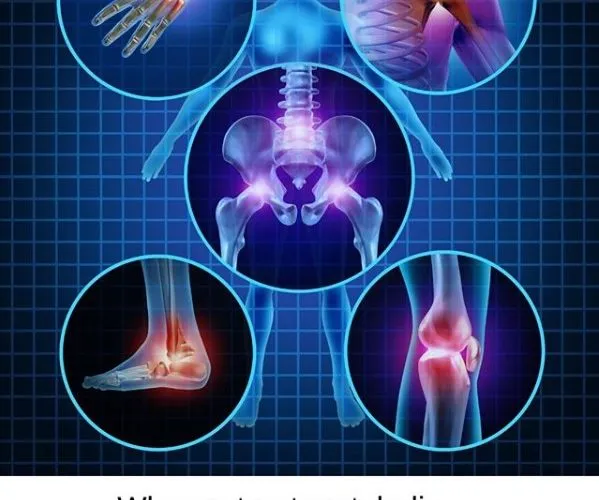
Metainflammation is chronic, low-grade inflammation caused by overnutrition (eating more than the body can store safely). Fat tissue can only stretch so far. When it can no longer expand to soak up a constant flood of nutrients, it becomes inflamed. Then it releases inflammatory signals such as TNF-α and IL-6. It links obesity, type 2 diabetes, heart disease and chronic pain.
This clinic began as an interventional pain practice. It quickly became clear that chronic pain was rarely a stand-alone problem. The tools here relieve symptoms well. But they do not reverse the course of a disease driven by metabolic inflammation.
What metainflammation is
Inflammation is a biological response. The immune system launches it against attacks that threaten the body’s normal workings. It is essential. It turns harmful when it fails to resolve. Too much acute inflammation damages tissue. Inflammation that never resolves makes tissue malfunction over the long term. The balance between a useful response and collateral damage is delicate.
Chronic nutrient overload throws off that balance. Say adipose tissue (body fat) has little room to expand, and the nutrients keep coming. Then the tissue becomes irregular and inflamed. That is inflammation caused by overnutrition. That is metainflammation.
Fat tissue is an endocrine organ
Obesity is marked by a low-grade chronic inflammatory state. In it, pro-inflammatory cytokines (chemical alarm signals) are high, including TNF-α, IL-6 and CRP. Too much fat piles up under the skin and in the belly. That adipose tissue stops acting as quiet storage. It begins sending signals.
Adipose tissue releases many proteins that affect inflammation. They include TNF-α, IL-6, IL-1β, leptin, adiponectin, resistin, acylation-stimulating protein, SAA3, α1 acid glycoprotein, pentraxin-3, IL-1 receptor antagonist and macrophage migration inhibitory factor. That is not a waste dump. It is an organ with an output.
Lactate is a signal, not a waste product
A study published in Nature showed that lactate is a key regulator of cell function in Warburg-associated disease. It is not just a metabolic by-product. Lactate rewires macrophages (a type of immune cell). That changes how immune cells behave. It also drives histone lactylation. That is a change that alters which genes are turned on.
Otto Warburg described the Warburg effect ninety years ago. He saw that cancer cells use glucose differently from healthy cells. They make energy in a way that supports rapid growth. The metabolic and cancer research fields are describing the same underlying machinery.
Why a pain physician cares about metabolism
People ask this question often. Why worry about a patient’s weight or metabolic function? Why not just treat the pain? Because more than 90% of the chronic pain patients seen here have metabolic dysfunction. That includes many whose waist size would not flag them.
Pain in many joints, including joints that carry no weight, tracks the inflammatory cascade. It does this apart from mechanical load. Treat the joint while the inflamed environment stays, and the relief does not hold.
Dopamine, motivation and anhedonia
Chronic inflammation directly affects the brain’s dopamine system. That system drives motivation. This offers an explanation for low motivation in metainflammation. It also offers an explanation for why many patients with diabetes get chronic pain along with anhedonia (loss of pleasure).
Nearly 77% of the US population is now overweight. That change over fifty years correlates with the spread of highly processed food. It also correlates with a marked rise in chronic pain. In mouse models, high-calorie foods that trigger dopamine release disrupt normal feeding signals.
Where the vascular disease fits
Heart disease correlates closely with the global rate of obesity and type 2 diabetes. Attention has now shifted to metainflammation as the main disease process. Early metabolic problems appear to come before the blood vessel changes, not after them. Atherosclerosis acts more like atheroscleritis (an inflamed artery, not just a clogged one).
And it is not solved by removing meat
Patients often assume the Standard American Diet is entirely to blame. They think a plant-based diet solves it. But long-term vegan diets carry their own risks. Metainflammation can persist. Sarcopenia (muscle wasting) becomes a real concern when protein intake and quality fall short. What matters is the metabolic environment, not the type of food.
Related reading
- Metabolic Inflammation: What It Is
- Does Overnutrition Cause Metabolic Inflammation?
- Sugar, Inflammation and Health
Medically reviewed by Dr. Gurpreet Singh Padda, MD, MBA, MHP
Interventional pain physician, addiction medicine specialist and obesity medicine diplomate.
Licensed in Missouri and Illinois.
Last reviewed August 25, 2026