Diabetic nerve pain often starts before the diagnosis. That is because insulin resistance (when cells stop answering insulin) drives the nerve damage. That process runs for years before blood sugar is high enough to be called diabetes. High insulin, glycation, oxidative stress and damage to tiny blood vessels are already at work. They hit the longest nerves first, which is why symptoms begin in the feet.
Burning feet at night. Numbness that creeps up from the toes. Or a pins-and-needles feeling that will not settle. These are among the most common ways type 2 diabetes reveals the damage it has been doing quietly. Diabetic peripheral neuropathy (nerve damage in the feet and hands) is not a separate disease that just happens to show up with diabetes. It is nerve tissue reacting to years of metabolic stress. Its timeline tracks the disease that caused it.
Among people with diabetes, 50% to 66% develop diabetic peripheral neuropathy at some point.1 The pattern over time makes the point most clearly. 10% to 20% already have it when diabetes is diagnosed. That rises to 26% after five years and 41% after ten.1
At what stage of diabetes do you get neuropathy?
That first figure deserves a second look. Between 10% and 20% of people already have measurable nerve involvement on the day they are told they have diabetes.1
Nerve injury does not wait for a lab value to cross a line. The metabolic process that damages nerves — high insulin over time, glycation of proteins, oxidative stress and the damage to tiny blood vessels that follows — is well underway during the years of insulin resistance before a diabetes diagnosis. By the time the diagnosis is made, that process has had a long run.
This is why insulin resistance is the more useful thing to measure and act on. It is the upstream state. It is present long before glucose is high enough to be called diabetes.
What causes diabetic nerve damage?
Nerves burn a lot of energy. They depend on a fine network of tiny blood vessels. Ongoing high blood sugar (hyperglycemia) and high insulin (hyperinsulinemia) damage both the nerve fibers and the small vessels that feed them.
Glycation — sugar binding to proteins — stiffens tissue. It also creates advanced glycation end-products, which drive inflammation. That inflammation is not limited to the nerve. That is why it shows up next to other results of the same process. The link is laid out in metabolic inflammation as a cause of insulin resistance.
The same mechanism explains why nerve pain, and chronic pain more broadly, clusters with metabolic disease. That is covered in insulin resistance and chronic pain.

Longest nerves first
Symptoms usually begin in the feet and move upward. The hands are affected later. This is not chance. The longest nerve fibers are the most vulnerable to metabolic and microvascular (tiny blood vessel) damage, because they have the most distance to supply and maintain.
That is also why symmetry matters for diagnosis. A pattern that matches on both sides and depends on nerve length points toward a metabolic cause. Pain limited to one limb or one nerve’s area suggests something else — compression, injury, or a different process. That calls for a different work-up.
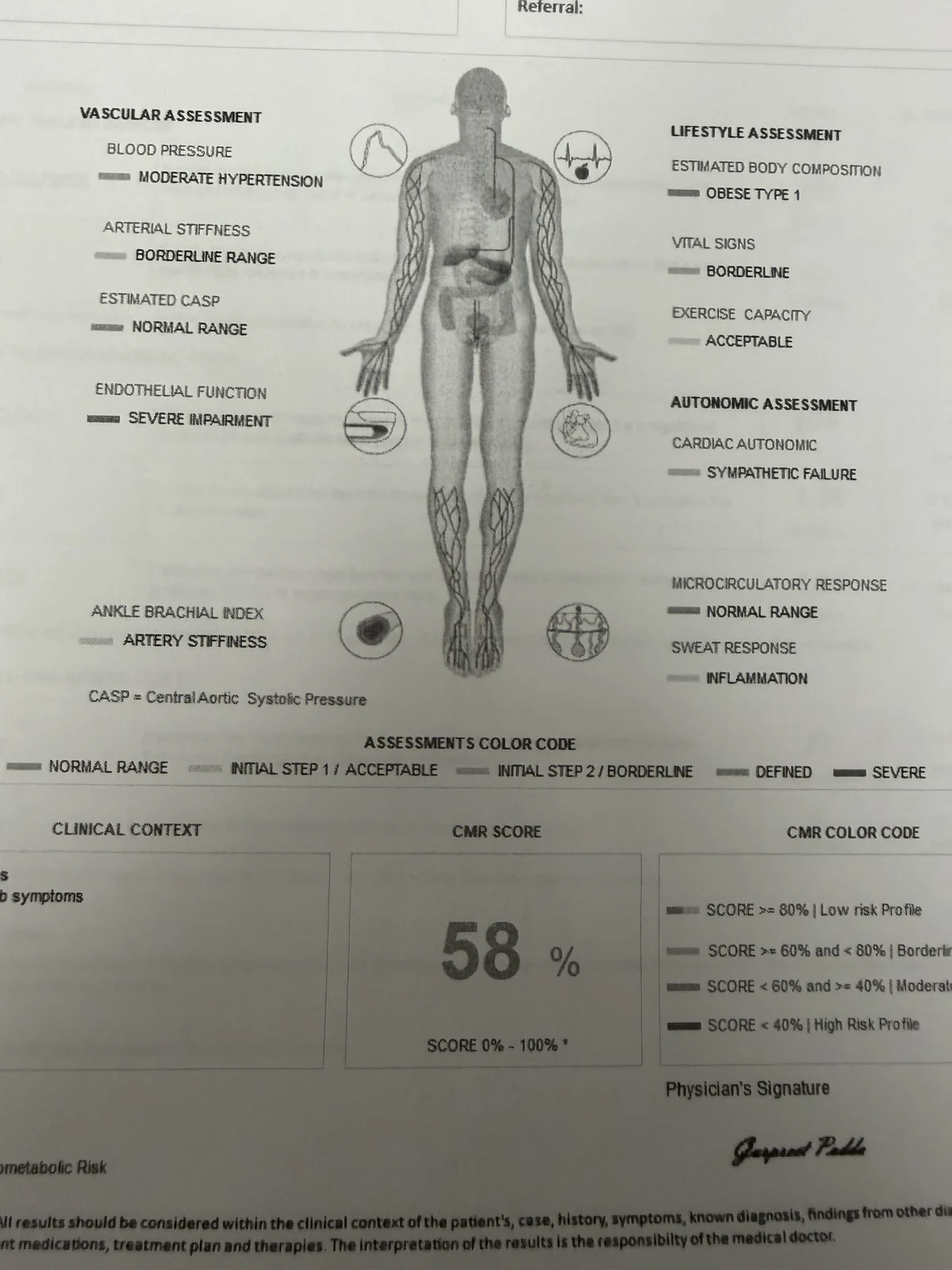
What is the best treatment for diabetic neuropathy?
Treating the pain and treating the cause are different jobs, and both are valid. Medications can make symptoms bearable. They do not slow the underlying process.
What addresses the process is better insulin sensitivity and less glycemic and inflammatory load on the nerves. In practice, that means what is in the diet more than how many calories it has — the role of refined grains and of omega-6-rich vegetable oils. The foods that move the other way are described in foods that improve insulin sensitivity.
The honest framing is remission rather than cure. Type 2 diabetes can be driven into remission, and remission can be lost — it describes a state that is being maintained, not a condition that is gone for good. With nerve damage, some can recover and some cannot. The realistic goals are to halt progression, reduce pain, and protect the feet you still have feeling in.
A caution about medication during improvement
As insulin sensitivity improves, the dose of glucose-lowering medication that was right before can become too much. Then the risk of hypoglycemia (low blood sugar) rises. This is a predictable result of things going well.
It is also why metabolic change should be made with your prescriber informed and involved. Never stop, reduce or change a prescribed medication on your own — that decision belongs to the physician managing it, working from your actual numbers.
Why is numbness in the feet dangerous with diabetes?
Pain is what brings people in. Numbness is the more dangerous finding.
Once protective feeling is lost, an injury can go unnoticed long enough to become a serious problem. Poor circulation also slows healing. Checking your feet every day and treating any wound right away are not minor advice here.

Care in St. Louis
Reverse Diabetes MD is at 4477 Woodson Rd, Suite 209, St. Louis, MO 63134, with Dr. Gurpreet Singh Padda, MD, MBA, MHP as Medical Director. Call (314) 481-5000 or email info@reversediabetes.md.
Background on the practice’s approach is on the type 2 diabetes page and in why we care. You can read about the physician on the Dr. Padda page. You can browse more reading on the blog, or reach the office through the contact page.
Frequently asked questions
How common is nerve damage in type 2 diabetes?
Between 50% and 66% of people with diabetes develop diabetic peripheral neuropathy at some point. 10% to 20% already have it at diagnosis.1 The upstream process is explained in what exactly is insulin resistance.
Can diabetic neuropathy be reversed?
Some early nerve dysfunction improves when the metabolic driver is addressed. Established damage may not. The realistic aim is to stop progression and reduce symptoms, rather than to promise reversal.
My blood sugar is only slightly high. Am I at risk?
Nerve injury tracks the insulin-resistant state that comes before a diabetes diagnosis. That is why some people already have neuropathy when they are first diagnosed.1 Why that same insulin-resistant state also drives chronic pain is covered in insulin resistance and chronic pain.
Why does it start in the feet?
The longest nerve fibers are the most vulnerable to metabolic and microvascular (tiny blood vessel) damage. So symptoms usually appear in the feet first and move upward. The hands are affected later.
Should I change my diabetes medication if my numbers improve?
Not on your own. Better insulin sensitivity can make a dose that used to be right too high. That raises the risk of hypoglycemia (low blood sugar). So any change must be made by the physician who prescribed it.
What are the symptoms of diabetic peripheral neuropathy?
Burning feet at night, numbness that creeps up from the toes, and a pins-and-needles feeling that will not settle are among the most common signs. Symptoms usually begin in the feet and move upward. The hands are affected later. The pattern matches on both sides. Numbness deserves the most attention, because lost feeling lets injuries go unnoticed.
What foods should you avoid with diabetic neuropathy?
What is in the diet matters more than how many calories it has. The two foods this practice points to first are refined grains and omega-6-rich vegetable oils. That is because they add to the glycemic and inflammatory load on the nerves. The foods that move the other way are in foods that improve insulin sensitivity.
Where is the practice located?
4477 Woodson Rd, Suite 209, St. Louis, MO 63134. Call (314) 481-5000, or use the contact page.
Related reading
- Are You Prediabetic? How to Tell
- Does Fatty Liver Start in the Gut?
- PCOS, Fatty Liver and Insulin Resistance
Sources
- Bodman MA, Dreyer MA, Varacallo MA. Diabetic Peripheral Neuropathy. StatPearls. NBK442009
Medically reviewed by Dr. Gurpreet Singh Padda, MD, MBA, MHP
Interventional pain physician, addiction medicine specialist and obesity medicine diplomate.
Licensed in Missouri and Illinois.
Last reviewed August 10, 2026