
Polycystic ovary syndrome (PCOS) is the most common endocrine dysfunction in women, affecting 10 to 20%. At its core, it is an insulin-resistance condition. Non-alcoholic fatty liver disease runs on the same process, chronic high insulin. That is why treating the insulin comes first.
Several conditions are treated by separate specialties, yet they share one driver. Seeing the shared mechanism changes what is worth treating first.
Polycystic ovary syndrome
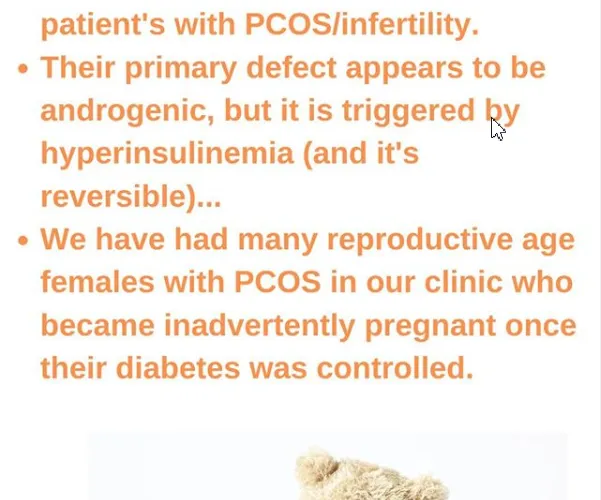
PCOS is the most common endocrine (hormone) dysfunction in women, affecting 10 to 20%. It is a lifelong condition. It has large medical, emotional and financial costs. It also carries high risk for diabetes and metabolic syndrome.
At its core, it is an insulin-resistance condition. That is why treatment aimed at insulin often improves the reproductive and skin problems that brought the patient in. It is also why treatment aimed only at those problems tends not to hold.
Non-alcoholic fatty liver disease
NAFLD is the main cause of liver disease. It affects roughly 30% of the general population and 75 to 100% of people with obesity, at varying levels of severity. It is the liver’s version of the same process: chronic hyperinsulinemia (high insulin) driving fat to build up in an organ that was not meant to store it.
A liver clogged with fat is also part of why weight loss reverses diabetes. Clearing fat from the liver and pancreas restores their function directly.
Inactivity as an independent trigger
A sedentary (inactive) pattern is a core risk factor for diabetes. It takes less time sitting still than most people think to measurably harm metabolism. Short spells of forced rest cause detectable changes in insulin sensitivity in healthy people. Those changes reverse when activity resumes.
That cuts both ways, and the good half is worth saying. Because the change is fast in both directions, getting active again brings measurable benefit quickly, well before any change in weight.
Comorbidity and mortality
The death rate in patients with several metabolic conditions at once is vastly greater than in the general population. Fewer than 12.2% of the US population was free of significant metabolic dysfunction in 2009–2016. On post-2021 criteria, fewer than 7% are. So this group with multiple conditions is not a small slice of the population.
Medications including ACE inhibitors have a real role in managing the consequences. They do not address the driver. Prescribing them without addressing it commits the patient to managing the condition with no end date. Yet at an earlier stage, that condition was reversible.
Related reading
Medically reviewed by Dr. Gurpreet Singh Padda, MD, MBA, MHP
Interventional pain physician, addiction medicine specialist and obesity medicine diplomate.
Licensed in Missouri and Illinois.
Last reviewed August 25, 2026