
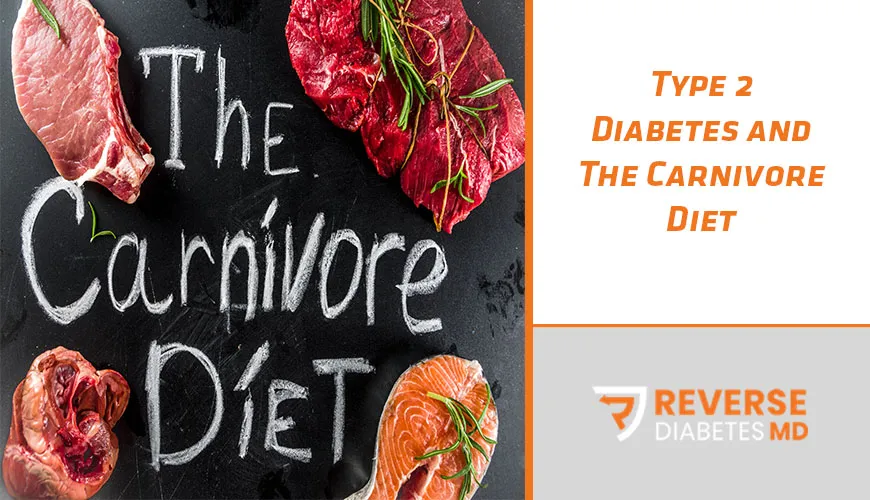
The carnivore diet helps type 2 diabetes by removing carbohydrates. That gives tighter blood sugar control, drives weight loss and reduces inflammation. Its risks for diabetics are hypoglycemia, and constipation from a diet with no fiber. No clinical study has yet tested its long-term benefits.
The carnivore diet for diabetes brings both promise and controversy. As with most popular diets, many people start it expecting radical change without much effort. But the carnivore diet obeys the law of the jungle, as Rudyard Kipling put it: “and the wolf that shall keep it may prosper, but the wolf that shall break it must die.” In short, there’s more to it than feasting on meat. This article breaks down the carnivore diet for diabetics and why it may fail in the long run.
Diabetics struggle mainly with one issue: blood sugar control. So the best diet for them should be one that is low-carb but high in energy. The carnivore diet appears to fit this bill pretty well, especially when you don’t hold back on fatty meat. It would be better if you could add some healthy veggies, but the carnivore diet does not allow this. So what does the carnivore diet have to offer diabetics?
What Is A Carnivore Diet?
The carnivore diet is a meat-based diet that leaves out all plant products. It usually consists of red meat, poultry, organ meats, processed meats like bacon, sausage, hot dogs, fish, and eggs. Some people also allow dairy such as cheese, and spices.
It leaves out plant-based foods such as fruits, vegetables, legumes, grains, nuts, and seeds. Unlike other popular low-carb diets, such as the keto diet and paleo diet, the carnivore diet aims for zero carbs.
To start a carnivore diet, you remove carbohydrates slowly while you watch how your body reacts. The idea is to adapt to the change without a crash from the lack of carbs. Once the body has settled in, patients can push on to 30 days, or even make it a lifestyle based on the gains they see.
What Are The Benefits Of A Carnivore Diet For Type 2 Diabetes?
In short, the benefits of a carnivore diet come from removing carbohydrates, which are the enemies of your glucose levels. Managing diabetes is really a detailed job of counting carbs and checking sugar. With carbohydrates off the list, you have more control over your blood sugar levels, among other benefits.
1. Weight Loss
The Carnivore Diet is more filling and may cause weight loss because you eat less food and fewer calories. In one study 132 adults with excess weight were put on 4 different energy-restricted diets. Those who ate high-protein diets lost significantly more weight and fat mass than those who ate less protein. Another 2009 study also showed that a protein diet produced lasting weight loss.
Weight loss has been strongly linked to diabetes reversal. A recent study showed that losing about 15 kg of weight can help revive beta cell function. Beta cells are the cells in the pancreas that make insulin. Reviving dead or dormant beta cells can help reverse diabetes. But this approach works best for newly diagnosed cases of diabetes type 2.
Besides this, lasting weight loss may lower the chances of diabetes complications. But weight loss can also come from eating fewer calories and from physical exercise.
2. Reduces Inflammation
The carnivore diet leaves out processed foods such as cookies, cakes, candy, and pastries, which are likely to trigger inflammation. These foods are loaded with empty calories, and they easily spike glucose levels. This is why refined carbs and sugary foods are usually reduced or removed from a diabetic diet.
Inflammation increases insulin resistance. It also decreases insulin secretion. Reducing inflammation can help reverse these symptoms of diabetes type 2.
Other benefits of a carnivore diet include:
- Less brain fog and fatigue
- Improved breathing
- Improved circulation
- Stabilization of glucose levels
Should you try the carnivore diet?
The carnivore diet has many obvious benefits. Even so, you need to consult with your healthcare expert before trying it. A few concerns may keep one from recommending the carnivore diet for diabetes. They include:
- The risk for hypoglycemia
Hypoglycemia generally means low blood sugar levels. Early on, a person with diabetes type 2 usually makes too much insulin, even if they have reduced sensitivity to insulin. A diet that completely removes carbohydrates puts the patient at risk of hypoglycemia. If this happens, the person may need to eat a fast-acting carbohydrate to bring their blood sugar levels back up.
- Carnivore diet does not offer fiber
Fiber adds bulk to stool, and this helps prevent constipation. The carnivore diet can easily cause chronic constipation because it does not contain fiber.
Fiber also matters for the right balance of healthy microbiota in the gut. An imbalance in gut microbiota can trigger chronic inflammation and insulin resistance as well.
In summary, one can gain lots of benefits from the carnivore diet. But one needs to get an expert opinion before taking on this diet for the long term. To date, no clinical studies have looked at the long term benefits of a carnivore diet.
Related reading
References
1. NCBI (2009): A moderate-protein diet produces sustained weight loss and long-term changes in body composition and blood lipids in obese adults. Retrieved from https://www.ncbi.nlm.nih.gov/pubmed/19158228
2. Science Alert (2019): Type 2 Diabetes Can Be Reversed Even Without Intensive Weight Loss, Study Shows. Retrieved from https://www.sciencealert.com/type-2-diabetes-can-be-reversed-even-without-intensive-weight-loss-research-shows
3. NCBI (2014): Targeting inflammation in diabetes: Newer therapeutic options. Retrieved from https://www.ncbi.nlm.nih.gov/pmc/articles/PMC4138593/
4. NCBI (2016): Randomised clinical trial: mixed soluble/insoluble fibre vs. psyllium for chronic constipation. Retrieved from https://www.ncbi.nlm.nih.gov/pubmed/27125883
Medically reviewed by Dr. Gurpreet Singh Padda, MD, MBA, MHP
Interventional pain physician, addiction medicine specialist and obesity medicine diplomate.
Licensed in Missouri and Illinois.
Last reviewed June 18, 2026