
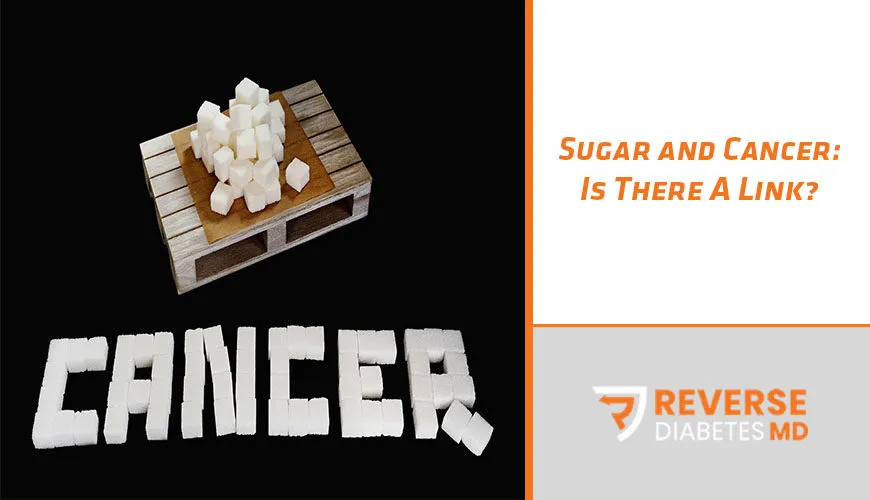
The link is indirect. Sugar does not directly cause cancer. But eating too much of it drives weight gain. Being overweight or obese raises the risk of at least 13 types of cancer.
Sugar is the modern-day diet villain. But how are sugar and cancer actually linked? Does it cause cancer? Does sugar feed cancer cells, making them grow more aggressively? How does the sugar in our food and drink affect our health, and what can be done about it? In this article, we take a long hard look at sugar and cancer. We bust some myths. We also cover what researchers are studying in the hope of finding new ways to treat people with cancer.
- Does sugar cause cancer?
Sugar feeds every cell in your body. But does sugar cause cancer, or help it grow and spread? Our expert says to watch out for added sugars, but not for the reasons you may think.
Does sugar “feed” cancer cells?
It’s true that sugar feeds every cell in our body — even cancer cells. But research shows that eating sugar doesn’t necessarily lead to cancer. It’s what sugar does to your waistline that can lead to cancer.
Taking in too many sugar calories may result in weight gain. And, being overweight or obese puts you at a higher risk for cancer and other diseases.
- Why does the body need sugar?
Glucose – the fuel of life
When you search for sugar and cancer on the internet, you will find many warnings that sugar is the “white death” that feeds cancer cells.
The idea that sugar is to blame for kick-starting or fueling cancer’s growth is an over-simplification of some very complicated biology.
What is sugar?
Sugar is the general name for sweet-tasting carbohydrates that dissolve in water. Many of them are used in food. Simple sugars include glucose (also known as dextrose), fructose, and galactose. Compound sugars, or double sugars, are molecules made of two joined simple sugars. Common examples are sucrose, lactose, and maltose. “Table sugar” or “granulated sugar” refers to sucrose, a disaccharide made of glucose and fructose. Table sugar comes from sugarcane or beet. In the body, sucrose is hydrolyzed (broken down) into fructose and glucose.
Glucose is the basic fuel that powers every single one of our cells. When we eat or drink things high in glucose, such as soda, the glucose goes straight into our blood. There it is ready for our cells to use.
This is where sugar and cancer start to collide, because cancer is a disease of cells.
- Can cutting out sugar starve cancer?
Cancer cells usually grow and multiply very fast, which takes a lot of energy. This means they need lots of glucose. Cancer cells also need lots of other nutrients, such as amino acids and fats. It’s not just sugar they crave.
This is where the idea that sugar fuels cancer was born. If cancer cells need lots of glucose, then cutting sugar out of our diet must help stop cancer growth. The idea was that it could even stop cancer from forming in the first place. Sadly, all our healthy cells need glucose too. There’s no way to tell our bodies to give healthy cells the glucose they need but keep it from cancer cells.
There’s no evidence that following a “sugar-free” diet lowers the risk of getting cancer or boosts the chances of surviving if you are diagnosed.
- What is the Warburg effect?
There’s no evidence that cutting carbohydrates from our diet will help treat cancer. But important research has shown that understanding the abnormal ways cancer cells make energy could lead to new treatments.
In the ’50s, a scientist called Otto Warburg noticed something. Cancer cells use a different chemical process from normal cells to turn glucose into energy. Healthy cells use a series of chemical reactions in small cell ‘batteries’ called mitochondria. Cancer cells bypass their ‘batteries’ to make energy faster and keep up with demand. This discovery was named the Warburg Effect.
This shortcut for making energy might be a weakness for some cancers. It gives researchers an edge in developing new treatments because:
- First, it opens the door to drugs that shut down cancer cells’ energy-making processes but don’t stop healthy cells from making energy. Researchers are testing drugs that work this way.
- Second, the abnormal processes in cancer cells can also leave them less able to adapt when they lack other nutrients, like amino acids. These possible weak spots could lead to treatments too.
These approaches are still experimental. So we don’t know yet if treatments that starve cancer cells are safe or if they work.
- How does sugar raise cancer risk?
If cutting out sugar doesn’t help treat cancer, why do we urge people to cut down on sugary foods at all?
There is an indirect link between cancer risk and sugar. Eating lots of sugar over time can make you gain weight. Robust scientific evidence shows that being overweight or obese increases the risk of 13 different types of cancer. In fact, obesity is the single biggest preventable cause of cancer after smoking.
A study published in 2019 suggested there could be something else going on. Researchers found that people who drank more sugary drinks had a slightly higher risk of cancer, regardless of body weight. The study took weight into account. But there are still lots of unanswered questions. More studies will be needed to look into this.
- So, should you avoid sugar? Our expert says no.
“Your body’s cells use sugar to keep your vital organs functioning,” says Erma Levy, a research dietitian in Behavioral Science. “But too much daily sugar can cause weight gain. And, unhealthy weight gain and a lack of exercise can increase your cancer risks.”
Eat the right amount of sugar: So, how much sugar is safe to eat? Women should have no more than six teaspoons per day (25 grams), and men should have no more than nine teaspoons per day (36 grams), says the American Heart Association. This equals about 100 calories for women and 150 for men.
Spot hidden sugar in food: The biggest source of added sugar in the American diet is sugar-sweetened drinks. Other sources include cakes, cookies, pies, and ice cream. Pasta sauce, salad dressings, and canned vegetables also have hidden sugars.
It is very important to read food labels and look for hidden sugars.
Your first clue that a product is high in sugar is if the word “sugar” is listed as the first ingredient.
Some sugary foods don’t include “sugar” on the ingredient list. That’s because sugar is often disguised under different names. Here are some hidden “sugar” words to look out for:
- fructose (sugar from fruits)
- lactose (sugar from milk)
- sucrose (made from fructose and glucose)
- maltose (sugar made from grain)
- glucose (simple sugar)
- dextrose (form of glucose)
Opt for natural sugars: Natural sugars, like molasses, agave nectar, honey, and maple syrup, are packed with antioxidants that protect your body from cancer.
Avoid artificial sweeteners: Do you prefer artificial sweeteners over sugar?
Some studies in laboratory animals have found links between artificial sweeteners and cancer. But no proof exists that artificial sweeteners definitely cause cancer.
Rein in your sweet tooth: Bottom line: sugar, when eaten in small amounts, can fit into a balanced diet.
- So, what is the future for sugar where cancer is concerned?
On the one hand, sugar itself doesn’t cause cancer. There’s also no way (at the moment) to specifically starve cancer cells of glucose without harming healthy cells too. There’s also no evidence that a diet very low in carbohydrates will lower your cancer risk or help as a treatment. And for patients, getting enough nutrition is important to help their bodies cope with treatment.
However, the amount of added sugar people eat is alarming, because it promotes weight gain. Being overweight or obese increases the risk of at least 13 types of cancer. Throwing out sugar won’t stop cancer in its tracks. But we can all lower our risk of getting cancer by making healthy choices. Eating less added sugar is a good way to help keep a healthy body weight.
Frequently asked questions
Does sugar make cancer grow faster?
Cancer cells grow fast and burn a lot of glucose. But they also need amino acids and fats, so sugar is not the only thing they crave. Every healthy cell needs glucose too. There is no way to give it to healthy cells while keeping it from cancer cells. The idea that sugar kick-starts or fuels cancer oversimplifies very complicated biology.
Should cancer patients avoid sugar?
Cutting out sugar will not stop cancer in its tracks. There is no evidence that a sugar-free diet boosts the chances of surviving after a diagnosis. Patients in treatment need enough nutrition to help their bodies cope. Cutting back on added sugar still matters, because it helps you hold a healthy body weight. Excess weight raises the risk of at least 13 cancers.
How much sugar is safe to eat a day?
The American Heart Association sets the limit for added sugar at six teaspoons (25 grams) a day for women and nine teaspoons (36 grams) for men. That is about 100 and 150 calories. Sugar-sweetened drinks are the biggest source in the American diet. Pasta sauce, salad dressing and canned vegetables hide more. Read labels for fructose, sucrose, maltose, glucose and dextrose.
Related reading
-
References:
- MD Anderson Cancer Center (2019): Does sugar cause cancer? Retrieved from https://www.mdanderson.org/publications/focused-on-health/FOH-cancer-love-sugar.h14-1589835.html
- Web MD: Cancer and Sugar: Is There a Link? Retrieved from https://www.webmd.com/cancer/features/cancer-sugar-link#1
- Cancer Research UK (2017): Sugar and cancer – what you need to know. Retrieved from https://scienceblog.cancerresearchuk.org/2017/05/15/sugar-and-cancer-what-you-need-to-know/
- Wikipedia : Retrieved from https://en.wikipedia.org/wiki/Sugar
Medically reviewed by Dr. Gurpreet Singh Padda, MD, MBA, MHP
Interventional pain physician, addiction medicine specialist and obesity medicine diplomate.
Licensed in Missouri and Illinois.
Last reviewed June 18, 2026




